
The eight people who got me through the last four months, and the two my chart forgot.
A rare disease is not managed by an institution. It is managed by specific people making specific calls on specific days, and most of them will never know which decision was the one that mattered. So I wrote it down.
Between November 2024 and today: one incidental mass, one biopsy that couldn’t call it, an antibody screen at 400 times normal, twenty-two days from first symptom to crisis, ten days inpatient, five plasma exchanges, one blood clot, and a thymectomy still ahead.
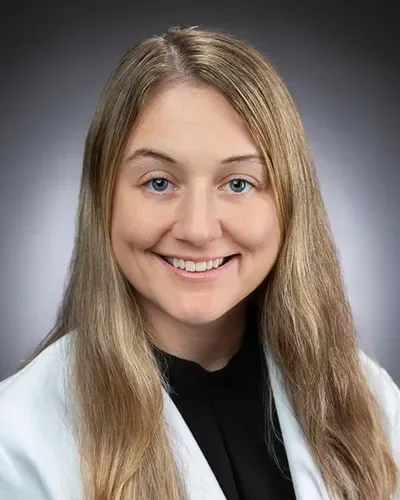
Dr. Maria Antonia Baumgartner
She scrolled back. That’s the whole thing. A first visit with a new patient, ten routine labs, a blood pressure prescription — and somewhere in there she read an eighteen-month-old report that recommended a scan nobody had ordered, and ordered it.
Nothing about that appointment felt like the beginning of anything. It was.

Dr. Manu Sancheti
In July he offered me the good version: well-encapsulated mass, clean plane off the major vessels, one small incision under the breastbone, home the same day, August 25. In September he had to redraw the whole thing — full thymectomy, tentatively the 22nd, pending sign-off from neurology and hematology.
He is also the only clinician who put my worst night in writing, two weeks after the fact: “Near-intubation during myasthenic crisis: team was bagging at bedside.” One line. It is the only line.
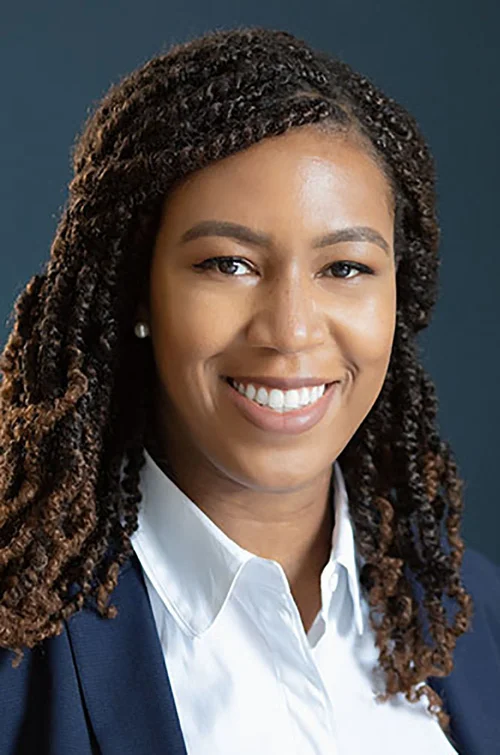
Dr. Chineze Nwebube
She met me on July 20 as a strongly seropositive patient with nothing to examine. Seven days later my eyelids dropped at a concert, and she has been steering ever since — the telemedicine call that escalated me to IVIG, the sign-off on plasma exchange from the hospital, and the plan I’m on now.
August 31, post-crisis: double vision 80 percent of the time, ptosis daily but improving, chewing effortful but safe, limbs strong. IVIG as a bridge, then Vyvgart. Prism glasses. A handicap tag. Still not cleared to drive.
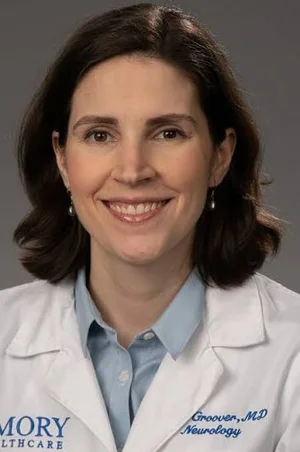
Dr. Olivia Groover
I did twenty squats in a hospital gown in front of her. She examined me, told me plainly she was on the fence, and then made the call anyway: plasma exchange, five sessions over ten days, not IVIG. The deciding factor was my breathing. IVIG takes one to two weeks. Plex works in days.
She took that recommendation to Dr. Nwebube and it held. Everything good that happened after August 19 traces back to it.
My chart shows exactly one abnormal glucose under her name.
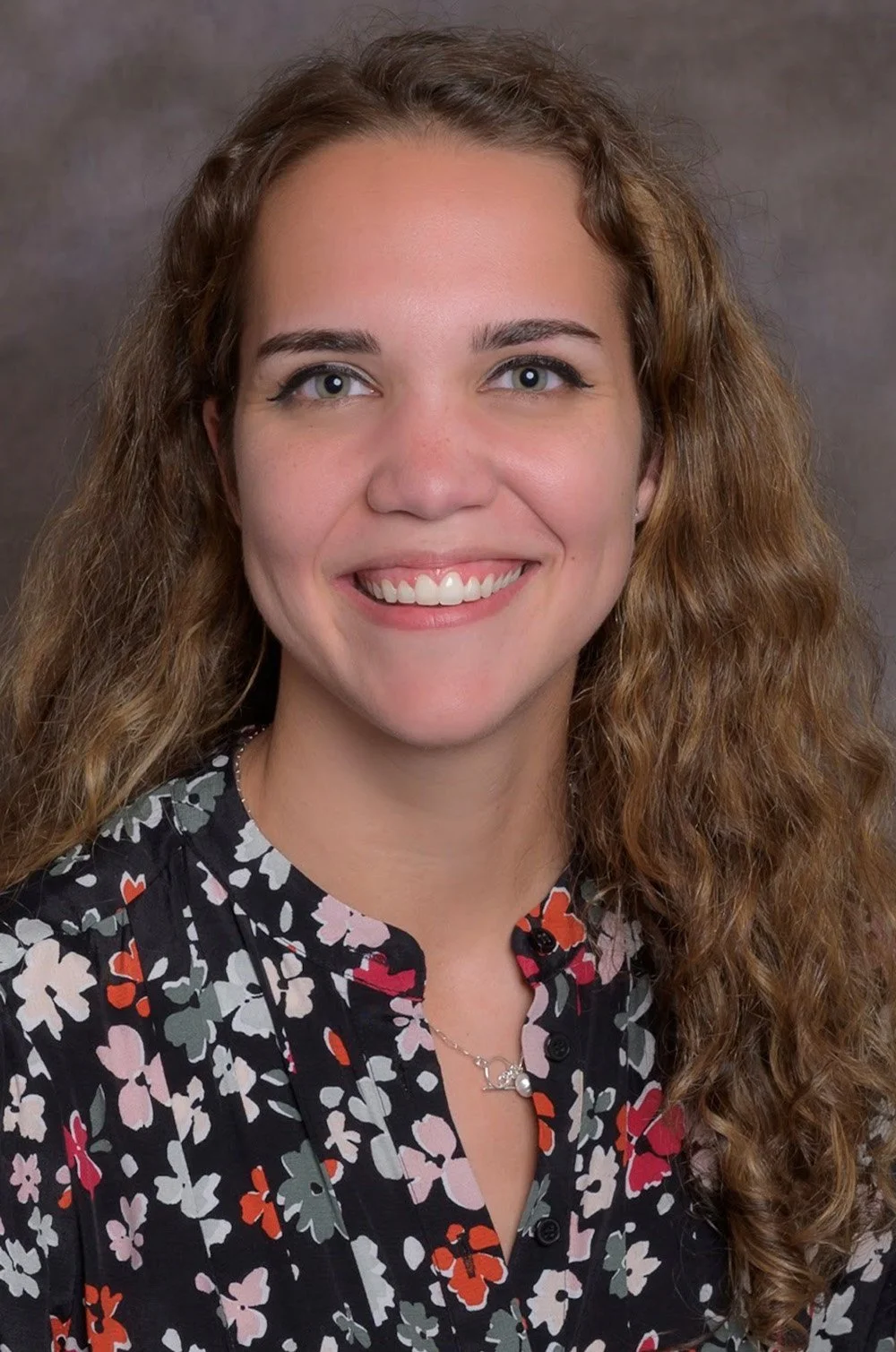
Dr. Esme Trahair
Fourteen of my sixteen day-one results were ordered by her: chest x-ray, arterial blood gas with co-oximetry, twelve-lead ECG, respiratory viral PCR, a full coagulation workup. On paper that is a list. In the room it was one person systematically ruling out everything else that could be doing this to me, in a single day, while I was frightened. She was the second witness to the squats.
Dr. Eric Bethea
He signed me out after ten days with an echocardiogram behind me and eight prescriptions ahead of me: Eliquis, prednisone, pyridostigmine four times a day, pantoprazole, calcium carbonate, vitamin D3, mirtazapine at bedtime. I came in because my eyes looked tired. I went home with a pill organizer and a blood thinner.
Charts list the people who order things. Not the people who are in the room.
Krista Garner, NP
After the first plasma exchange I was in the ICU listening to Alex Warren’s “Ordinary” when I suddenly could not breathe. I looked at my husband, rang the nurse button, and said “help.” She came in and manually bagged me to get air into my lungs. She was calm. It was about two minutes. I was on oxygen that night.
My chart records nine lab results and a central line for that day. It does not record the two minutes.
Eddie Reynolds II, NP
Plasma exchange strips fibrinogen out of your blood, which is why mine was abnormal on seven separate days and why I needed cryoprecipitate to put it back. Eddie explained all of that to me — what it meant for bleeding, why the transfusion, what to watch for — then brought the consent and administered it.
He is not in my chart because charts list ordering providers. His name is in the blood product administration record for 8/22, which requires two-nurse verification. I know how to spell it because I recorded him telling me: “Eddie, E-D-D-I-E, like Eddie Murphy. I remember it like Eddie, my daddy. ”
It took me until September to find him, and I found him on LinkedIn rather than anywhere in my own medical record.
“I don’t want to f*** up and find out.”
That was his reasoning on the fibrinogen and the cryo. Not a protocol, not a policy — a person deciding he would rather explain the whole thing to me and treat it now than wait and see what a low fibrinogen did to me next.
If you take one thing from this page: record your appointments, and write down the names.
Almost everything human in my medical history exists only because I recorded it. The reasoning behind the decisions, the nurses, the worst two minutes of my life. The chart holds the labs. You have to hold the rest.
Dr. Andrew Westmoreland — read the CT that reopened it
Dr. Jaime Morel Ruiz — surgical pathology
Dr. Jeanne Hendrickson — Emory Hemapheresis Service
Dr. Casey Albin — neurointensivist, Aug 19–21
Scarlett Houser, NP — ordered the cryoprecipitate
Dr. Hang Shi — read the CT that found the clot
Dr. Khan — the PE plan around surgery
The mass has shrunk significantly on CT, credited to the plasma exchange and steroids. Full thymectomy tentatively September 22. Home IVIG being scheduled. The job right now is staying stable enough to be operated on.
Thymoma or reactive thymus is still an open question. The answer comes from the surgical specimen, and it does not exist yet.